Then you stop. Something looks wrong. Is it “time flies or flys”?
You are not alone. Many people ask this every month. The word looks odd either way. English has many spelling rules, and this one trips up even careful writers.
People search this phrase for a simple reason. They want a quick, safe answer before they hit send. One small slip can make you look careless.
This article clears up the confusion. You will get the short answer first. Then you will learn why “flies” is right, where the phrase came from, and how British and American English handle it. You will also see common mistakes, real examples, and a handy FAQ.
By the end, you will never second-guess this phrase again. Ready? Let’s fix it for good.
Quick Answer
The correct spelling is “time flies.”
“Flys” is not the standard spelling of this verb. “Time flys” is a spelling mistake.
Here is why. The verb is fly. When the subject is one thing (like “time”), the verb takes an -s ending. But fly ends in a consonant plus y. So you change the y to i and add es.
Examples:
- Time flies when you have fun. ✅
- Time flys when you have fun. ❌
- She flies to Paris today. ✅
- The summer flies by. ✅
The rule is the same for similar words: try → tries, cry → cries, study → studies.
The Origin of “Time Flies”

The idea is very old. It comes from a Latin phrase: tempus fugit. It means “time flees” or “time flies.” The Roman poet Virgil wrote a similar line about time slipping away. People have used the idea ever since.
English speakers turned it into “time flies.” The meaning is simple. Time moves fast. You cannot get it back.
So why do people write “flys”? There are a few reasons:
- Sound. “Flies” and “flys” sound the same. Your ear cannot help you.
- Simple pattern. Most verbs just add -s. (Walk → walks. Run → runs.) People apply this rule to fly.
- Look-alike words. Some words ending in -y do add only -s, such as play → plays and say → says. This mixes people up.
The key is the letter before the y. In play, it is a vowel (a). In fly, it is a consonant (l). A consonant before y means y becomes ies.
British English vs American English Spelling
Good news: there is no difference here. Both British and American English use “time flies.” The ies rule is the same in both.
Many other words do differ between the two. That is why people worry. Here is a quick look:
| Word type | American English | British English | Same for “flies”? |
| Verb, third person (fly) | flies | flies | ✅ Same |
| Color words | color | colour | ❌ Different |
| -ize / -ise | organize | organise | ❌ Different |
| -er / -re | center | centre | ❌ Different |
| Past tense (travel) | traveled | travelled | ❌ Different |
| Verb, third person (try) | tries | tries | ✅ Same |
So do not blame British or American spelling for “flys.” Neither one uses it for this phrase.
Which Spelling Should You Use?
Use “flies” everywhere. Here is the advice by audience:
- US readers: “Time flies.” Always.
- UK and Commonwealth readers (Australia, Canada, India, South Africa, and others): “Time flies.” Always.
- Global readers: “Time flies.” It works in every English-speaking place.
If you write for work, school, or a website, this matters. Spelling errors hurt trust. They can also hurt your search ranking if you misspell a keyword on a page.
Simple tip: If you doubt a verb ending in a consonant plus y, change the y to ies.
Common Mistakes with “Time Flies”
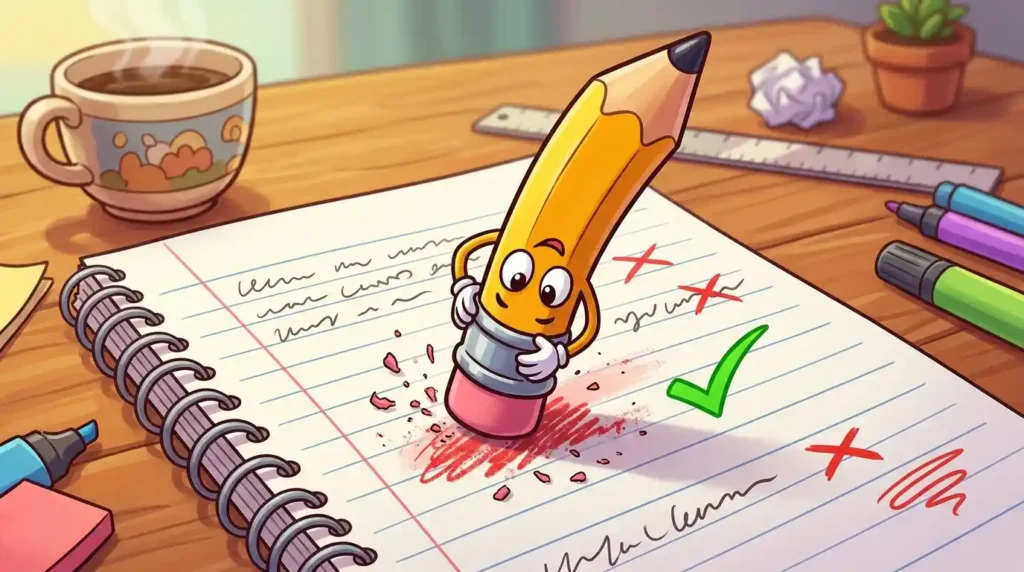
Here are the errors people make most often:
| Mistake | Correct form | Why |
| Time flys | Time flies | Change y to ies |
| Time fly | Time flies | “Time” is one thing, so add -s |
| Time flyes | Time flies | The i comes before e here |
| Times flies | Time flies | “Time” is not plural here |
| Time flew by (wrong tense) | Time flies by | Use flew only for the past |
Quick fixes:
- Say it out loud: “He flies, she flies, time flies.”
- Think of fly as the insect. Many insects are “flies.” The spelling matches.
A note on tense: “Time flew” is also correct. It just talks about the past. “Time flies” talks about now or in general.
“Time Flies” in Everyday Examples
Here is how the phrase looks in real life.
In an email:
- “Time flies! It has already been a month since we met.”
- “I can’t believe it is June. Time flies.”
In news writing:
- “Time flies for the team as the deadline gets close.”
On social media:
- “Time flies when you’re with good friends. ❤️”
- “My baby is one today. Time flies.”
In formal writing:
- “As the saying goes, time flies. We must use our hours well.”
In a card:
- “Happy anniversary! Time flies when you love someone.”
Notice the pattern. Every example uses flies. Never flys.
“Time Flies or Flys” Google Trends & Usage Data

I can’t pull live Google Trends numbers here, so I won’t invent any. Here is what search patterns for this kind of phrase usually look like. Please check the current data yourself at trends.google.com.
What to expect:
- “Time flies” is the far more common phrase. People use it as a saying.
- “Time flies or flys” is a spelling-check search. It shows up when people feel unsure.
- Peaks often happen near birthdays, New Year, graduation season, and the end of summer. These are times when people talk about how fast time goes.
Where interest tends to be strong: English-speaking countries like the US, UK, Canada, Australia, India, and Singapore. Spelling searches are also common in places where English is a second language.
How to check it yourself:
- Go to Google Trends.
- Type “time flies” and “time flys” side by side.
- Pick a country and a time range.
- Compare the lines.
You will likely see “time flies” far above “time flys.”
Keyword Variations Side by Side
| Phrase | Correct? | Notes |
| time flies | ✅ Yes | Standard spelling in US and UK |
| time flys | ❌ No | Common typo |
| time fly | ❌ No | Wrong verb form |
| time flew | ✅ Yes | Past tense only |
| time has flown | ✅ Yes | Present perfect |
| time is flying | ✅ Yes | Continuous form |
FAQs
1. Is it “time flies” or “time flys”?
It is “time flies.” “Flys” is a spelling mistake.
2. Why is “flies” spelled with ies?
The verb fly ends in a consonant plus y. For that pattern, you change y to i and add -es.
3. Is “flys” ever correct?
Almost never in standard English. You may see it in names, brands, or rare technical uses, but not in this phrase.
4. Is the spelling different in British English?
No. British and American English both use “time flies.”
5. What does “time flies” mean?
It means time seems to pass very fast. It is often used with fun moments: “Time flies when you’re having fun.”
6. Where does the phrase come from?
It comes from the Latin saying tempus fugit. People have used the idea for a very long time.
7. What is the past tense of “time flies”?
“Time flew.” Example: “Time flew by at the party.”
8. Can I say “time is flying”?
Yes. It means the same thing. It is just a different form.
Conclusion
The answer is simple: it is “time flies,” never “time flys.”
Here are the key points to remember:
- Fly ends in a consonant plus y. So the y becomes ies.
- “Time flies” is right in both British and American English.
- “Flys” is the most common mistake. It comes from the sound and from the simple “add -s” habit.
- The saying is very old. It comes from the Latin tempus fugit.
- Use “time flew” for the past and “time flies” for now or in general.
Usage advice: Use “flies” in every email, post, report, and card. Say it out loud if you doubt yourself: “He flies, she flies, time flies.” Also use the same trick for other words like try, cry, and study.
Small spelling choices matter. They show care. They build trust with your reader. Now you know the rule, so you can write with confidence.
Time flies, so don’t waste yours on this spelling again.

I am a professional blogger and content writer specializing in synonyms. With a strong focus on research-based writing and clear communication, I creates high-quality content designed to inform, educate, and add long-term value for readers.I am committed to maintaining accuracy, consistency, and professionalism across all published work.