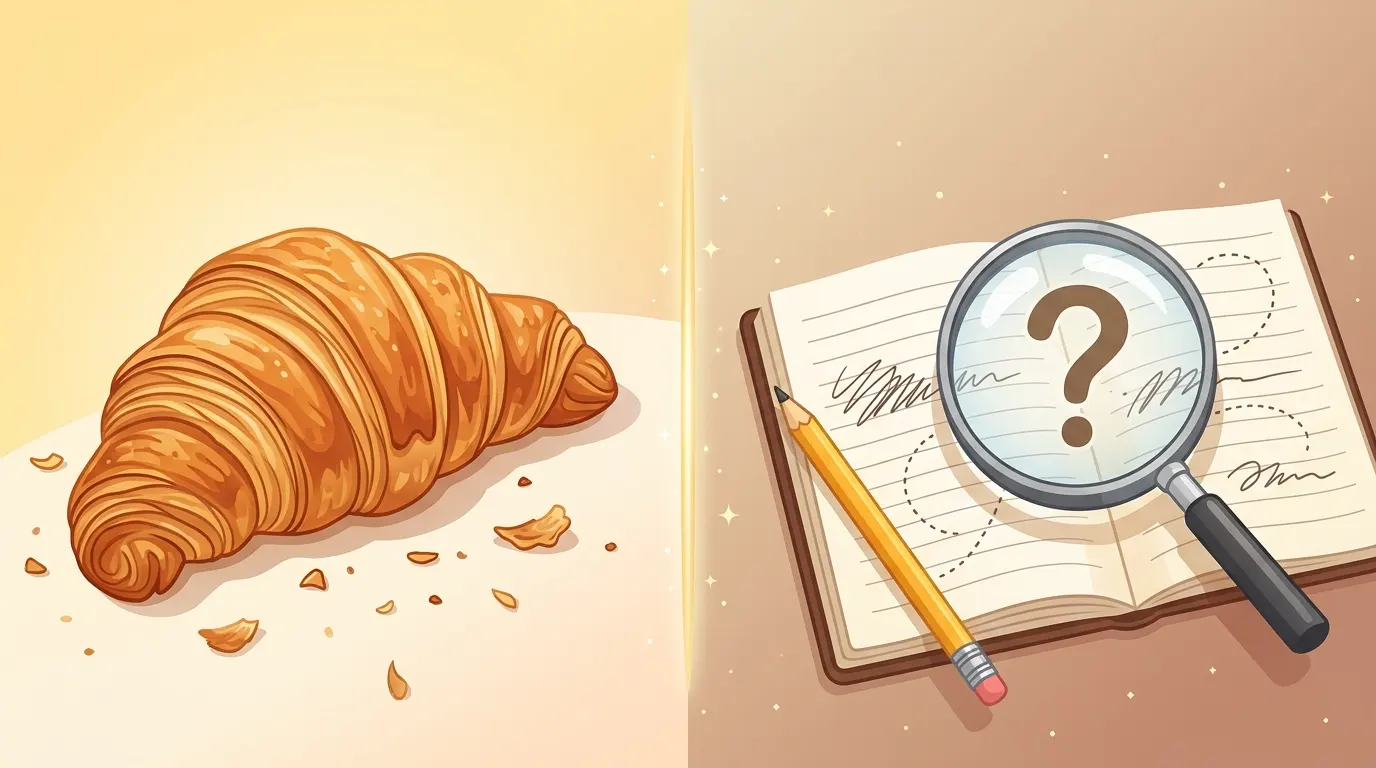
You are writing an email. You want to say your friend often cancels plans. Then you stop and think. Is it “flakey” or “flaky”? Both look right. Both show up online. So which one is correct?
You are not alone. Thousands of people search for this every month. They see both spellings on menus, in news stories, and in texts. That creates doubt. Nobody wants a spelling mistake in a work email or a school paper.
The confusion comes from how English adds endings to words. The word “flake” loses its final “e” when you add “-y.” But some people copy the pattern of words like “key” and “monkey,” and add “-ey” instead.
This article clears it up. You will get a quick answer, the word’s history, and a look at US and UK spelling. You will also see common mistakes, real examples, and answers to common questions. By the end, you will know exactly which spelling to use, and why.
Quick Answer
Use “flaky.” It is the standard spelling in American English, British English, and every other major variety of English.
“Flakey” is a rare variant. Some dictionaries list it, but most style guides call it wrong or non-standard. You will mostly see it in brand names and casual typing.
Here is how “flaky” is used:
- Food: “The pie has a flaky crust.”
- Skin: “My skin gets flaky in winter.”
- People: “He is so flaky. He never shows up on time.”
- Technology: “This test is flaky. It passes, then fails.”
- Connections: “The Wi-Fi is flaky today.”
The word always means one of two things: made of thin layers, or not reliable.
The Origin of Flaky
“Flaky” starts with the noun “flake.” This word is old. It entered English in the Middle Ages and likely came from a Scandinavian language. It meant a thin, light piece of something, like a snowflake or a flake of paint.
Adding “-y” made “flaky.” It first meant “made of flakes” or “breaking into flakes.” That is the meaning we use for pastry and dry skin.
Later, in the 20th century, American speakers began using “flaky” for people. It described someone odd, forgetful, or hard to count on. The idea is simple. A flaky person, like a flake, is light and easy to blow away. Today, this is the most common use in casual speech.
Why do the spelling differences exist?
English has a rule for silent “e.” When you add “-y” to a word ending in silent “e,” you usually drop the “e.” That gives us:
- shake → shaky
- bone → bony
- flake → flaky
The “-ey” ending is different. It is common in words where the base word already ends in “ey,” like “key” and “monkey.” People sometimes apply that pattern to “flake” by mistake. That is how “flakey” appears.
British English vs American English Spelling
Good news: there is no real split here. Both British and American English use “flaky.” The UK vs US spelling battle does not apply to this word.
It still helps to see how the two varieties handle similar words, since this is where the confusion starts.
| Word | American English | British English | Note |
| Flake + y | flaky | flaky | Same in both |
| Smoke + y | smoky | smoky | Same in both |
| Shake + y | shaky | shaky | Same in both |
| Colour/color | color | colour | Real US/UK split |
| Grey/gray | gray | grey | Real US/UK split |
| Flakey | rare variant | rare variant | Not preferred in either |
The rule of thumb: when a silent “e” word takes “-y,” drop the “e.” Both US and UK writers follow this.
Which Spelling Should You Use?
The answer is easy. Use “flaky” everywhere.
If your audience is American: Use “flaky.” Major US dictionaries and style guides prefer it. Editors will likely correct “flakey.”
If your audience is British or Commonwealth (UK, Australia, Canada, India, Singapore): Use “flaky.” British dictionaries list only this form.
If your audience is global: Use “flaky.” It is the one spelling that no reader will question.
If you write for a business or school: Use “flaky.” It looks careful and professional.
One exception: If “Flakey” is part of a brand or a person’s name, keep it as written. Names follow their own rules.
Common Mistakes with Flaky
Mistake 1: Writing “flakey” as a normal word.
✗ “The croissant was so flakey.”
✓ “The croissant was so flaky.”
Mistake 2: Mixing up “flaky” and “flakey” in the same document.
Pick one spelling. Use “flaky” every time.
Mistake 3: Using “flaky” when you mean “flake” or “flaking.”
✗ “My paint is flaky off the wall.”
✓ “My paint is flaking off the wall.”
Mistake 4: Spelling the comparative wrong.
✗ “flakeyer” or “flakier’s”
✓ “flakier” and “flakiest”
The “y” turns into “i” before “-er” and “-est.” Example: “This is the flakiest pie I have ever eaten.”
Mistake 5: Confusing it with “flakiness.”
“Flaky” is the adjective. “Flakiness” is the noun. Example: “His flakiness annoyed the team.”
Flaky in Everyday Examples
In an email:
“Sorry for the late reply. My internet was flaky this morning.”
In a news story:
“Bakers say the secret to a flaky crust is cold butter.”
On social media:
“Why are my friends so flaky? Third cancelled plan this week.”
In formal writing:
“The results were flaky and could not be repeated.”
“The software test proved flaky and was removed from the pipeline.”
In a recipe:
“Fold the dough three times to make it flaky.”
In a health article:
“Flaky skin can be a sign of dryness. Use a gentle moisturizer.”
Flaky Google Trends & Usage Data
I cannot pull live Google Trends numbers here. But the general pattern is clear and easy to check yourself at trends.google.com.
Which spelling is more popular?
“Flaky” is far more common than “flakey” in searches and in published writing across English-speaking countries. This includes the US, UK, Canada, Australia, and India.
Why do people search for it?
Search interest usually comes from four areas:
- Food: Flaky pie crust, flaky biscuits, and flaky salt often lead to spelling checks.
- People: “Flaky friend” and “flaky boyfriend” are common searches.
- Skin care: “Flaky scalp” and “flaky skin” bring in health-related traffic.
- Tech: “Flaky tests” is a popular term among software developers.
How does usage differ by region?
The spelling stays the same everywhere. What changes is the topic. US searches often lean toward slang and food. UK searches often mix baking and social talk. Tech use appears globally.
Tip: In Google Trends, compare “flaky” and “flakey” side by side. You will see “flaky” lead by a wide margin.
Side-by-side comparison of the variations
| Form | Correct? | Where you see it | Example |
| flaky | ✓ Yes | Everywhere | “A flaky crust” |
| flakey | ✗ Rare variant | Brand names, typos | “Flakey Jake’s” (a name) |
| flakier | ✓ Yes | Comparisons | “Flakier than last time” |
| flakiest | ✓ Yes | Superlatives | “The flakiest pastry” |
| flakiness | ✓ Yes | Noun form | “His flakiness is a problem” |
| flakeyness | ✗ No | Mistakes | Avoid |
| flaking | ✓ Yes | Verb form | “The paint is flaking” |
Frequently Asked Questions
1. Is it flakey or flaky?
It is “flaky.” “Flakey” is a rare variant that most dictionaries and editors do not prefer.
2. Is “flakey” ever correct?
Only in names and brands that use that spelling. Some dictionaries note it as a variant, but you should not use it in regular writing.
3. What does “flaky” mean?
It has two main meanings. First, made of thin layers or pieces, like pastry or dry skin. Second, unreliable or forgetful, like a person who cancels plans.
4. Is “flaky” a bad word?
It is casual and a bit negative when used for people. It is fine with friends, but in a formal setting, use “unreliable” instead.
5. Do Americans and Brits spell it differently?
No. Both use “flaky.”
6. Why do people write “flakey”?
They copy words like “key” and “monkey.” Or they simply forget to drop the silent “e” from “flake.”
7. What is the comparative form of “flaky”?
It is “flakier.” The superlative is “flakiest.”
Conclusion
The answer to “flakey or flaky” is simple. Use flaky. It is the standard spelling in American English, British English, and global English. It is the safe choice for emails, essays, news, recipes, and social media.
Here is what to remember:
- “Flaky” comes from “flake.” Drop the silent “e” when you add “-y.”
- The word means “made of thin layers” or “unreliable.”
- “Flakey” is a rare variant. Use it only in brand names or names of people.
- The comparative is “flakier.” The superlative is “flakiest.” The noun is “flakiness.”
- There is no US vs UK difference for this word.
- Google searches show “flaky” is the far more popular form.
If you are ever unsure, use this memory trick: “shaky” and “flaky” both end in “-aky.” You would never write “shakey,” so do not write “flakey.”
Small spelling choices build trust. Readers notice mistakes. Choosing “flaky” keeps your writing clean and professional, no matter who reads it.

I am a professional blogger and content writer specializing in synonyms. With a strong focus on research-based writing and clear communication, I creates high-quality content designed to inform, educate, and add long-term value for readers.I am committed to maintaining accuracy, consistency, and professionalism across all published work.